
 Sinhala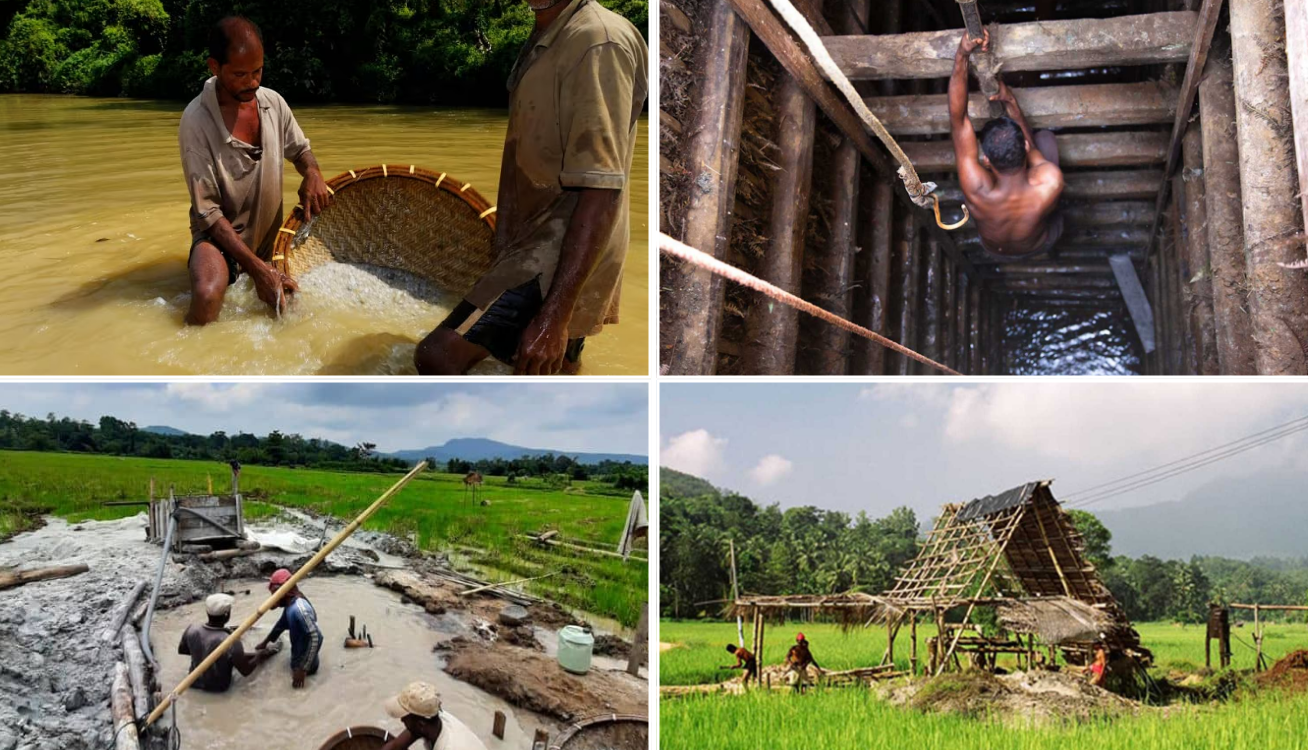
October 29, 2025 - By Lustella Gems By H&M
Sri Lankan Gem Mining – The Heart of Ceylon’s Treasure
Sri Lanka, often called the “Island of Gems,” has a history of gem mining that stretches back over 2,000 years. The country’s gem industry is centered around Ratnapura, meaning “City of Gems” in Sinhala, a name that perfectly captures the essence of this legendary land. Generations of miners have worked tirelessly to uncover the island’s hidden treasures — from sapphires and rubies to cat’s eye and alexandrite — all buried deep within its alluvial soil.
Gem mining in Sri Lanka isn’t just an industry — it’s a tradition, a heritage passed down through families. Using time-tested methods and deep respect for nature, Sri Lankan miners extract gemstones that continue to dazzle the world. Let’s explore where and how these precious stones are found, and why Ratnapura remains the beating heart of the island’s gem culture.
“From the rivers of Ratnapura to the valleys of Elahera, every gemstone tells the story of Sri Lanka’s timeless beauty.”
🏞️ Famous Gem Mining Areas in Sri Lanka
Gem deposits are found across the southern, central, and eastern parts of the island. The most famous gem-producing regions include:
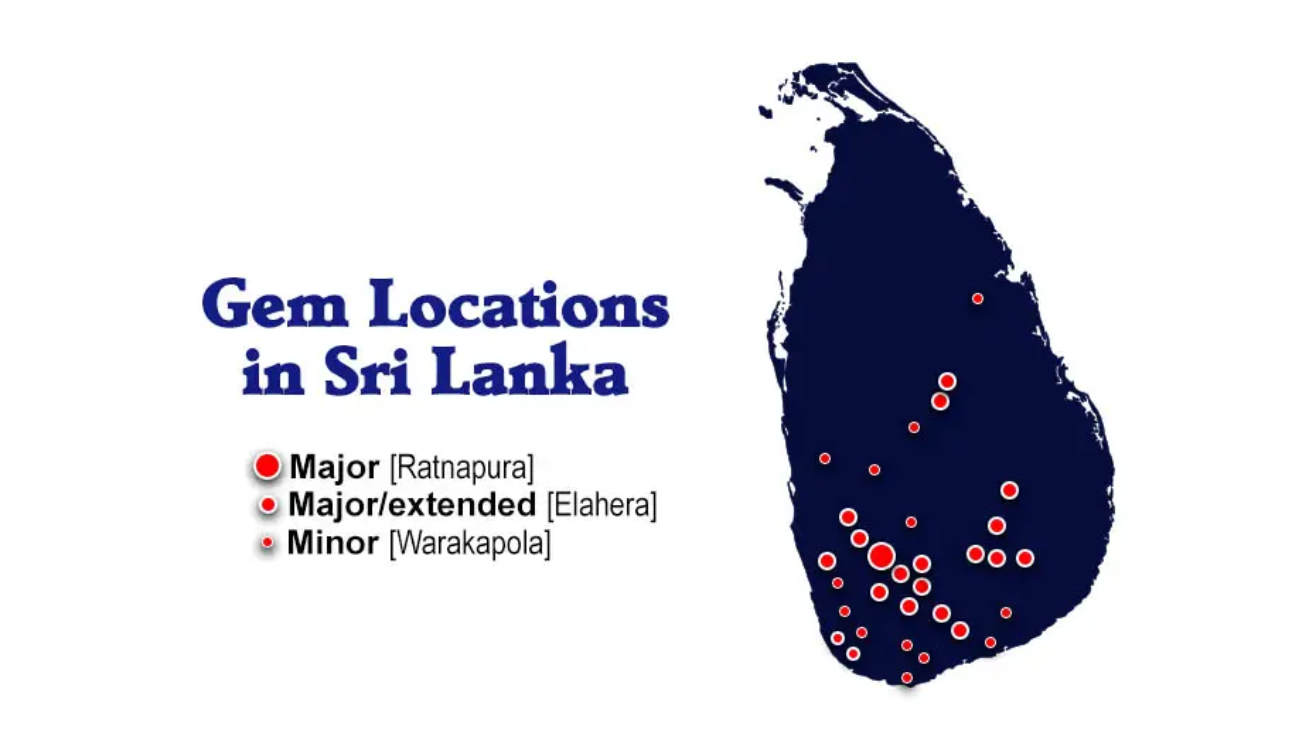
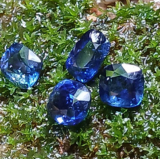
- Ratnapura: Known as the “City of Gems,” this is Sri Lanka’s main gem-mining hub. Most blue sapphires, star sapphires, and cat’s eye stones originate from here.
- Elahera: Located in the Matale District, Elahera is famous for producing high-quality sapphires, garnets, and zircons. The mines here often yield rare varieties of colored stones.
- Balangoda: Known for traditional gem pits surrounded by scenic hills. Balangoda’s miners often use old-fashioned but effective methods to locate gem-bearing layers.
- Nivithigala and Kuruwita: Smaller mining areas near Ratnapura where family-owned pits contribute to the local gemstone economy.
- Kahangama and Pelmadulla: Villages well-known for producing fine blue sapphires and star stones through small-scale sustainable mining.
⛏️ How Gems Are Mined in Sri Lanka
Sri Lankan gem mining follows traditional alluvial methods — an eco-friendly way that focuses on manual labor rather than heavy machinery. Here’s a step-by-step look at how it’s done:
- 1. Locating the Gem Pit (Illama): Experienced miners identify potential gem-rich areas, usually near rivers, streams, or ancient water channels.
- 2. Digging the Shaft: Workers dig a vertical shaft several meters deep until they reach a gravel layer known as the “Illam,” where gemstones are found.
- 3. Extracting the Gem-Bearing Gravel: The illam is carefully brought to the surface using baskets or ropes.
- 4. Washing & Sorting: The gravel is washed in water pits, where miners skillfully separate gems by hand based on color, weight, and shine.
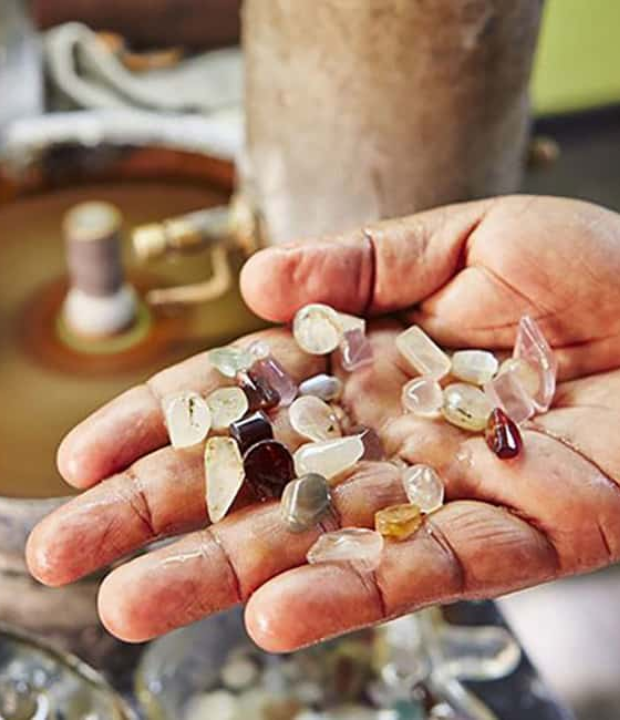
- 5. Sorting & Valuation: The collected stones are cleaned, sorted, and evaluated for quality before being sold to traders or gem cutters.
🌿 Sustainable Gem Mining Practices
Unlike many countries, Sri Lanka emphasizes environmentally responsible gem mining. Miners are required to restore the land after extraction, refilling pits and replanting vegetation. This sustainable approach ensures that the environment and local communities remain protected while maintaining the island’s natural beauty.

💎 The Role of Ratnapura in the Global Gem Market
Ratnapura serves as both the source and marketplace for Sri Lanka’s gems. Every day, local traders gather at gem markets to buy and sell stones freshly unearthed from nearby mines. This lively exchange has been happening for centuries — a mix of tradition, skill, and trust that keeps the gem trade alive. The city remains a key supplier to international markets, making Sri Lankan sapphires, rubies, and cat’s eyes globally recognized for their authenticity and value.
At Lustella Gems By H&M, we are proud to continue this legacy — offering ethically sourced gems from Ratnapura and surrounding regions, each certified and handled with respect to its origin and nature.